

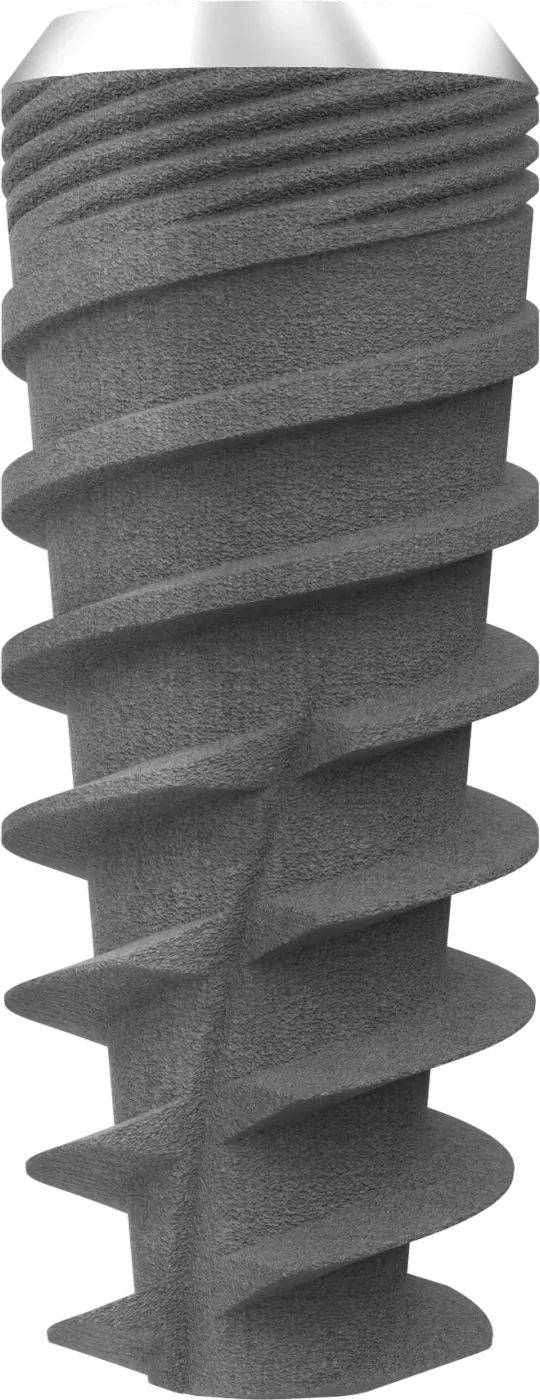
Clinical Planning
Bone-level, one-piece, compressive or zygomatic — a practical look at how implant geometry maps to case type.
Not every case calls for the same implant geometry. Adequate bone volume with standard healing time points toward a conventional bone-level system; compromised bone density or immediate-loading protocols shift the calculus toward compressive or one-piece designs; severe maxillary atrophy is where zygomatic anchorage becomes relevant.
A portfolio approach — one manufacturer, several matched series sharing a restorative philosophy — reduces the number of separate supplier relationships and documentation sets a practice has to manage, without forcing every case into the same implant design.
The i-Fix product page breaks down each series by category, platform and matched drilling protocol for exactly this kind of case-by-case comparison.
· More from the blog
Keep
reading.

Digital Dentistry
Digital Workflows in Modern Implant Dentistry
How CAD-driven planning, surgical guides and in-house digital laboratories are changing the handoff between diagnosis and restoration.
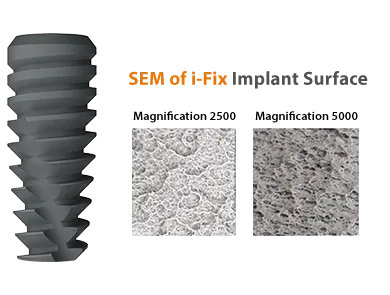
Implant Design
Understanding Surface Technology in Dental Implants
What implant surface treatment is actually doing, and why it is engineered rather than incidental.
Got a question this note didn't answer?
Ask the product team directly — not the person who wrote the article, the one who designed what it's about.