


Digital Dentistry
How CAD-driven planning, surgical guides and in-house digital laboratories are changing the handoff between diagnosis and restoration.
Digital planning has moved from a differentiator to a baseline expectation in implant dentistry. Case acceptance, surgical predictability and restorative turnaround all improve when the diagnostic, surgical and restorative stages share one digital model instead of three separate ones.
For a manufacturer, that shift changes what "support" means. It is no longer just a printed catalog and a drilling protocol — it is a digital library, matched restorative components, and a documented, traceable chain from implant to prosthesis.
This is one of the reasons i-Fix keeps its digital dental laboratory and implant manufacturing under one roof: the restorative components a clinician selects need to match the implant platform exactly, and that consistency is easier to guarantee in-house than across separate suppliers.
· More from the blog
Keep
reading.
Clinical Planning
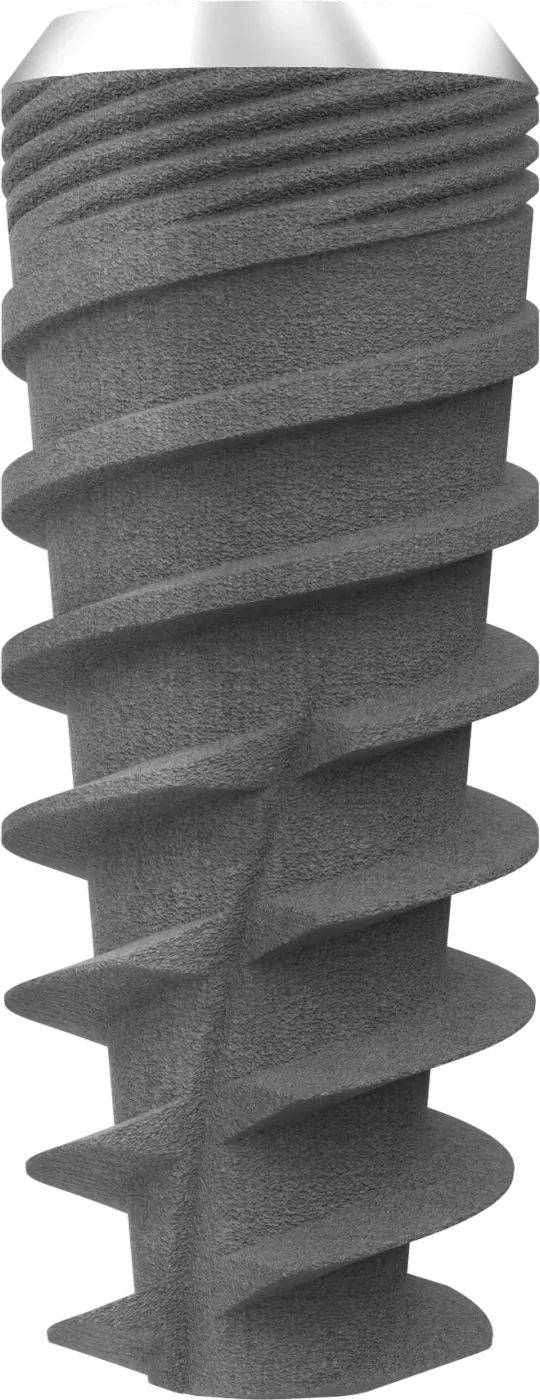
Choosing the Right Implant System for Complex Cases
Bone-level, one-piece, compressive or zygomatic — a practical look at how implant geometry maps to case type.
Implant Design
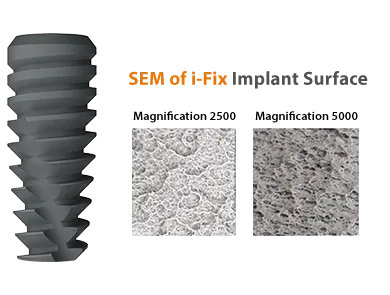
Understanding Surface Technology in Dental Implants
What implant surface treatment is actually doing, and why it is engineered rather than incidental.
Got a question this note didn't answer?
Ask the product team directly — not the person who wrote the article, the one who designed what it's about.